Showing Posts From
Birds
- 17 May, 2026
More Thoughts on Cameras and Lenses
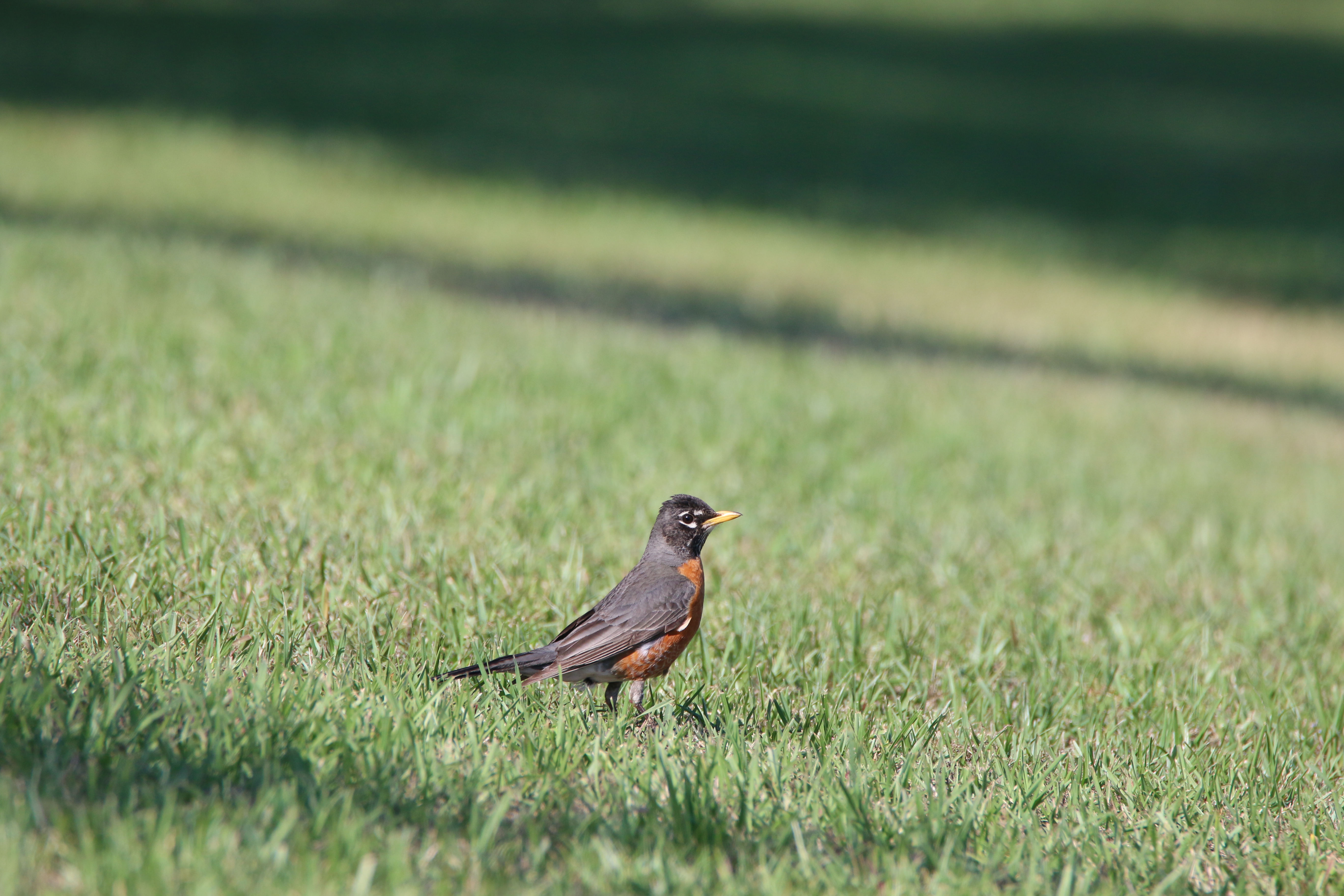
I have found myself getting really interested in the consumer electronics side of photography. This was probably inevitable, given my existing interest in consumer tech, but I was not prepared for the thoughts of "oh, I need to be X and Y so that I can get this shot!" And truthfully, I was close to pulling the trigger. Right now, it seems to me that my "ideal" would be a Canon R7 and a Canon 200-800mm lens. But what about next year? And what happened to my "ideal" beginner stack I just bought? Instead of buying anything in that moment, I just went out to shoot. And don't get me wrong: I am sure some newer gear would help. But nothing is stopping me from getting good shots today. I also realized a few things to keep in mind to get those good shots. 1. Obviously: Get Plenty of Light and a Stationary Subject Yes, I know. That's beyond obvious. It's just that it's one thing to "know" that from an academic standpoint and another to "learn" it from actual practice. And what I am noticing more and more is that with ample light and a still subject, my older gear can get some nice shots. 2. Keep Balance in Mind I have been getting more interested in capturing bird in flight shots, which seems to be something that modern cameras can handle much better. They have more FPS for burst shooting, better autofocus on moving subjects, and pre-capture options to help "getting the shot." That being said, while I am not satisfied with any of the "in flight" shots I got, they at least show to me that the camera could capture a good one. I just need to keep in mind that I must balance a high shutter speed with a wider aperature and a bright scene so the ISO doesn't dip too low. 3. Closer is Better Again, I know, this is obvious. While there are plenty of modern cameras that have a lot of megapixels that allow for enhanced cropping potential, my camera is not as capable. So when I end up with a subject that is further away and is small in the frame, the cropping will not look as good (the image below being an example of that), though even then it's not too bad as long as the subject is in focus. An obvious compensation to that is to be closer to the subject. This is easier said than done, but I've found that being still in some location where a lot of birds hang out increases your odds of getting something to come "in range." When you are in motion, the birds are much more flighty.
- 10 May, 2026
5/9/2026 Expedition
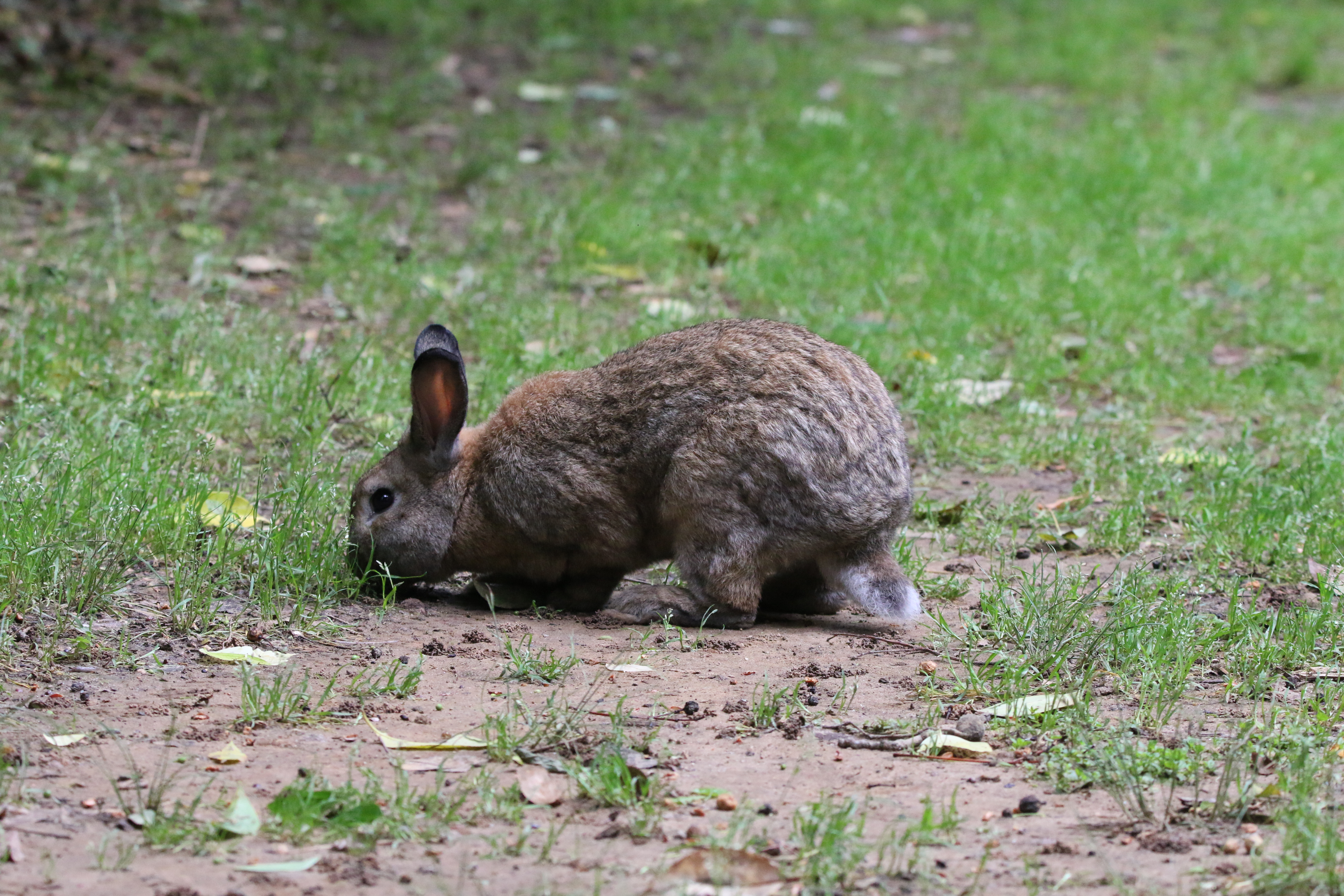
After arriving at the Cayce Riverwalk for the first time, I couldn't help but notice the boat entrance, accompanied by an unused dock. It opened onto the lake and gave me a view of the shoreline greenery with the sun glinting on the water. I also spotted a bunny nearby when I first arrived, which made the quiet start to the shoot feel more welcoming. It was here that I decided to stake out for two hours.While the plan was to photograph birds, the first creature I found was none other than a brown water snake on the dock. He was none too happy to see me; he eventually slithered off the dock and back into the water.The birds were quite elusive in this waterfront park. The first one to reveal itself was the South Carolina state bird: the Carolina Wren. It jumped down into the clearing before immediately flying to another tree.The cardinals were in abundance, but they were very evasive. I came across many on this trip. A pair flew together through the trees before hopping along the ground, and I suspect one was attempting to court the other. I am still looking for a truly good cardinal photo, as they still manage to elude me.The spotted sandpiper. This was a new species for me, and it was the only spotted sandpiper I found. I suspect this waterbird is abundant if you have the patience to wait for them. I would love to get a shot of it among some foliage, so that it stands out more.The Carolina Chickadee—these were my "grand prize" for the day. There was a group of four that hopped from branch to branch, taking small bites where they could while ultimately playing among themselves. They constantly moved between trees, making them very difficult to capture. I only managed a few shots when one of them paused to rest. They are easily my favorite shots of the day.Given how common grackles are, it's amazing that this was the first time I managed to photograph one. This wasn't even on the waterfront; it came from a tennis court a few miles down the road—which, in hindsight, makes sense. I'm used to seeing grackles in places where they can rummage through human trash. However, it looks like they foraged that nut all on their own.And finally: a northern mockingbird. Frankly, I'm tired of seeing these birds—they are everywhere. But at least this one let me capture an excellent shot up close. They are much browner than I realized. I wish I had the opportunity to photograph other birds as closely.
- 02 May, 2026
The Beginning
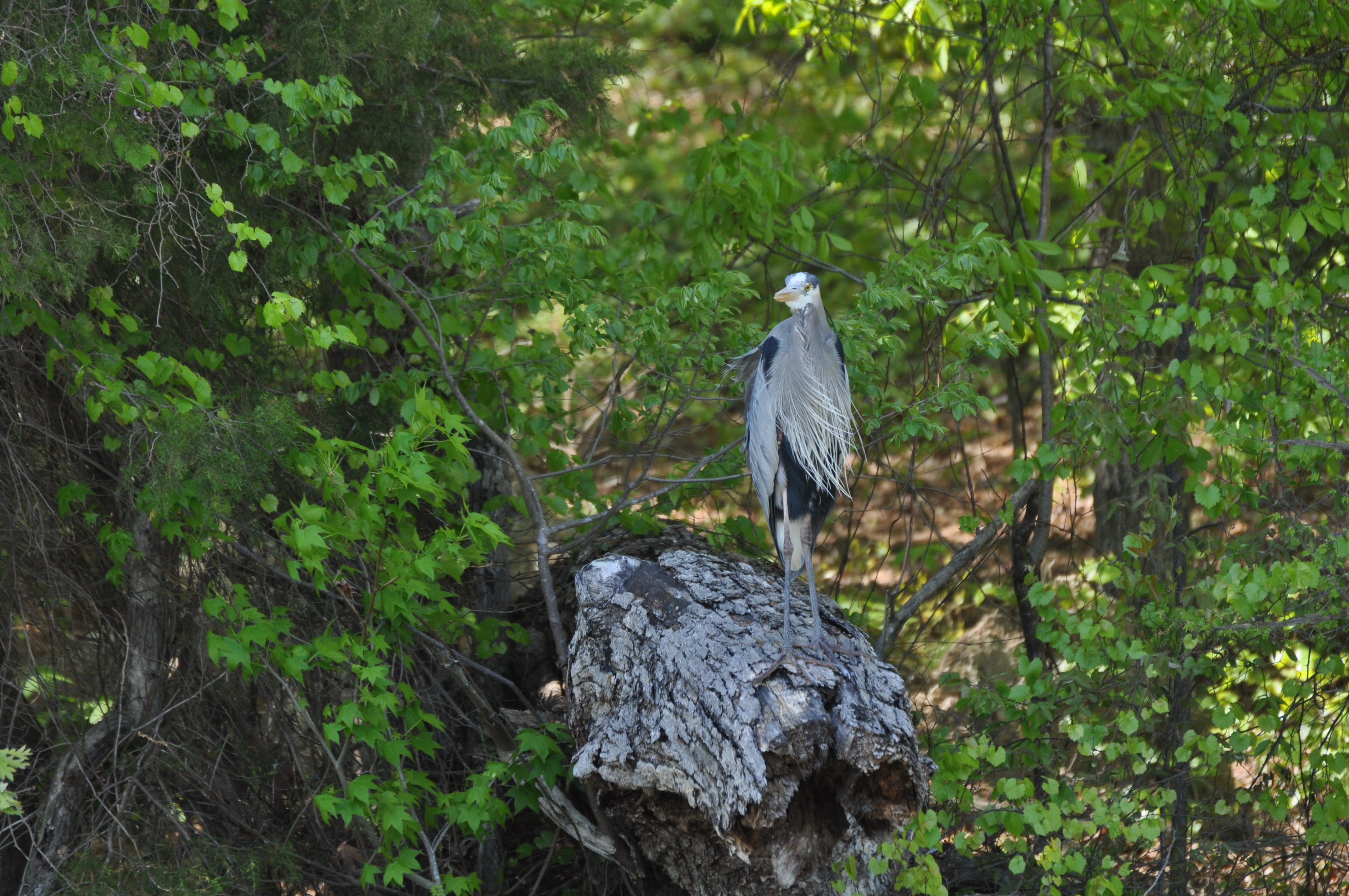
It feels wrong to say this is the "beginning" as I feel that I have been building to this point for a long time. My interest in photography, consumer technology, and wildlife have long been threads in the tapestry of my life, it's only now though that they intersect so violently. But regardless: here we are. With an interest intensifying and a desire to talk about everything I have learned so far. "My" "First" Camera and Lenses I was very fortunate to have a coworker who has already been hit with the bug of photography. We had some discussions on his work and he, very graciously, lent me his old Nikon for me to play around with, along with a set of lenses. While I was, and am, appreciative for this gear, I couldn't help but think that there wasn't much to do with this old ~17-year-old camera. But boy, was I wrong. The gear:Nikon D5000 Nikon DX 18mm-55mm Rokinon AF 85mm 1.4F Nikon Nikkor 70mm-300mmThe Nikon D5000 still has quite a bit of life in it. The MP count of 12.3 would lead you to believe its photos will not be sharp, but they certainly can be if the lens is solid. And to my unprofessional eye, the Nikkor lens is quite solid, even when zoomed in to 300mm. Truthfully, I did not experience much with the other lenses because I was so fixated on birds, but I had enough to know this was only the beginning. My First Shots The funny thing is, looking back on these photos, they aren't especially good. The issue with an older DSLR is that its autofocus is not great. That can be a good thing, since beginners would be forced to learn manual focus better instead of learning with a crutch, but still. Good or not, they are part of the beginning. My beginning. And they are worthy of preservation.My First Revelations A local park was the first obvious destination to mess around with the camera. On this peaceful spring afternoon, I surveyed the waterfront, in search of some waterfowl. But something unexpected struck me as I was searching for a worthy subject: everything was a worthy subject. The most inconsequential object can be a key fixture of the art you create. No object is inherently unworthy. It's up to you to showcase it in a worthy way. I was also struck by the peace. It feels like my mind is constantly on the move: thoughts, memories, concerns, anything and everything is flowing back and forth. But as I am standing in this forest, observing the birds sing their mating songs, or watching the squirrels zigzag through the grass in search for a nut: my mind is empty. I am at peace in a way that I have seldom felt. And finally: the heron. This shot came from a boat while with my parents, it was the shot that made me realize I want to photograph birds. The ubiquitous creatures that surround us on a daily basis, yet we refuse to observe them. The vast variety of these creatures is a mystery to most, myself included. Yet once you observe them, you see how beautiful, colorful, and unique they are. They deserve to be studied. With this experience under my belt and fire growing in my belly, I know it's time to accept the next step: figuring out what in the world I have to buy.
- 02 May, 2026
My First Camera and Lenses
After my time with the borrowed 16-year-old Nikon, I realized that I did not need to spend an arm and a leg on the camera. And with some more time spent on YouTube, I learned that the lens was much more important than the camera. But that still lead to my initial dilemma before I got into the details: what camera brand do I go with? I spent a lot of time thinking on this and I ended up starting by coming up with specific goals:I want to stay under $300 for the camera I want plenty of lens options I want a clear upgrade path I want something considered easy to useThis immediately led me down the path of old DSLRs, which seemed to limit my options to Canon and Nikon. In the end, I went with Canon. Why? Because my mom has a Canon as well and I figured my learnings would help her out as she was learning bird photography as well. But with this, seemingly arbitrary, decision made, I went down the rabbit hole of what specific camera and lenses I would get. I ended up with the following:Canon 70D Tamron 150-600mm F/5-6.3 (generation I) Canon EF 75-300mm F/4-5.6 II Canon EF 50mm F/1.4 Canon EF-S 10-18mm F/4.5-5.6 (not yet in hand)I have many thoughts on this setup, after having played with them for a few weeks. Canon 70D The camera itself: I am very happy with it. It had less than 10K shutters at the time of purchase and was in excellent condition. I found the menus easy to use and the controls intuitive. Besides the fact that I am not able to get the camera to update its firmware from 1.1.1 (and the fact that it's a bit heavy, though I don't find this mattering when it comes to birding), I am very happy with the camera itself. Canon EF 75-300mm F/4-5.6 II This was originally the first lens I bought. I knew it was a kit lens, but I had decent hopes for it after the Nikkor one performed very well. I was mistaken. Now, it's not "bad", but I am not happy with the chromatic aberration coming from it and the softness of the images it produces after 200mm. Now, I do recognise that there is some skill that can be put in here to get better images. I can make them better. But, I just find myself much more underwhelmed given how effortlessly the Nikkor performed. So far, it is the only true disappointment I have at the moment. Tamron 150-600mm F/5-6.3 After I was disappointed by the first Canon lens, I considered if I wanted to drop a few hundred dollars on a "proper" lens. The issue was, based on the research I did, a very solid telephoto lens that went into the 400-600mm territory was going to run me $2000. I absolutely did not want to do that yet. I saw some reviews on this first-gen Tamron, and the consensus I saw was that it's solid for the price, but it requires a bit of work to get really good shots out of it (like a monopod and tripod). I ended up taking a gamble on a basically new one for $700. Having used it for a few weeks, I will say: I'm not disappointed. The consensus was pretty accurate, but I am finding that you can get some fantastic images from it with a little work.Canon EF 50mm F/1.4 I decided to pick up a "nifty fifty" after I saw all of the YouTube videos praising it. I will say that I have not gotten full use out of it yet, but. I am very intrigued to say the least. I am getting very sharp photos out of it with a nice portrait effect. I am very excited to experiment with it in a non-birding context. Conclusion All in all, I'm pretty happy with where I'm at. There is a lot more potential to still extract from this setup and much more room for me to grow. I also think that this Canon 70D has plenty of life left in it. I'm ready to put it to the test.
- 02 May, 2026
The First Wave of Birds
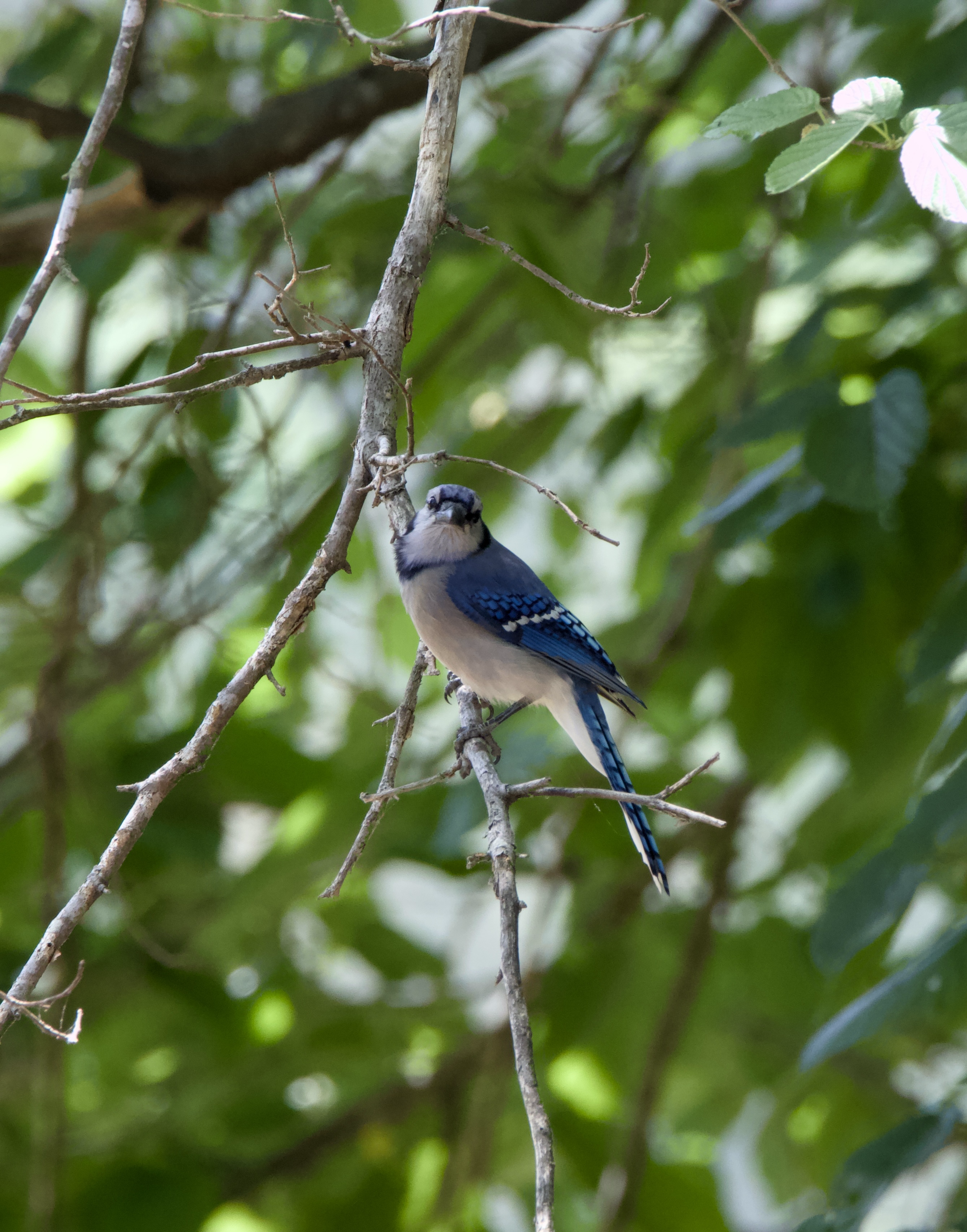
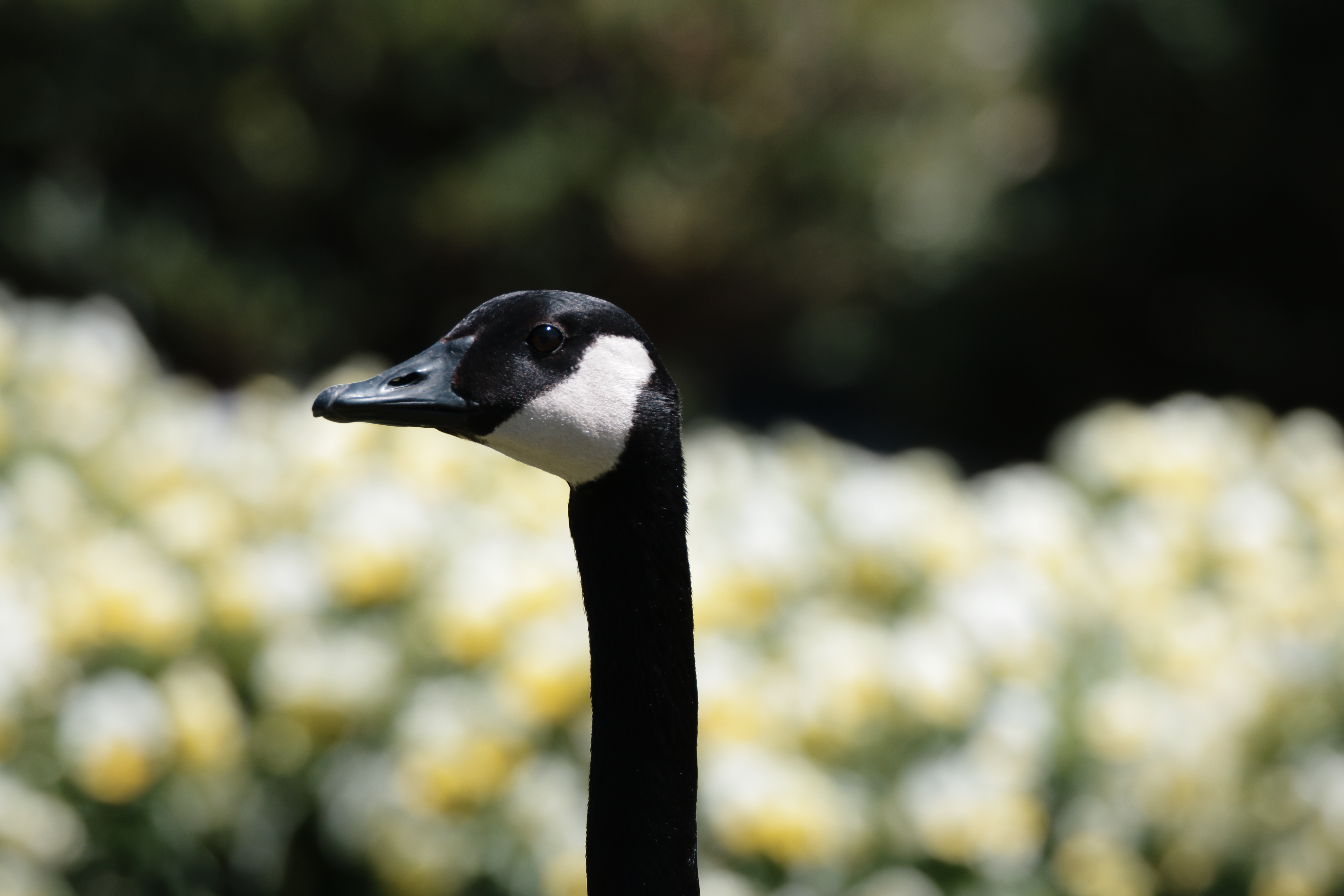
With the gear in hand, I went about searching for the birds in my own backyard. As it turns out, there was quite the variety. Birds and colors I was unable to identify prior to last week, but with this new photography interest came the desire to learn more about the subjects. Admittedly, I still have a lot to learn. But I have enjoyed starting that process. American RobinThese red-breasted birds can be seen eating anything it can find by the bushes of the local commercial buildings. While I don't notice any resemblance to the titular superhero, they are quite pleasing to observe, if a little dull. BluejayEasily the most elusive bird of the bunch. In order to get a good photo, I had to sit and observe for 30 minutes. The attached is not one of those good photos, but it captures its secrecy. Eastern Blue BirdThis particular building is home to a collection of bird boxes for the local blue birds. Coincidentally, at the same time that I began taking pictures, the local blue birds laid their eggs. That made it quite convenient to stake out a bird box with some babies and wait for the pictures. I have not yet observed them in the wild outside of the boxes, but I am quite interested in this beautiful little birds. Northern CardinalPerhaps the cardinals are the most elusive bird. I have not managed to get a good close shot of one yet, even though they are more prevalent. Which is unfortunate, as the North Carolina state bird deserves better. I will have to focus on them soon. Northern MockingbirdPerhaps these are my least favorite birds thus far. Quite bland and in abundance, they are not nearly as intriguing as the others. Cedar WaxwingOriginally I did not think much of the waxwing, but the more I observed, the more beauty I've found. On the surface they appear bland, but underneath a vibrant yellow can be seen. And on the wing, a slip of red can be found, almost analogous to an armband. Canadian GooseCertainly the most angry bird of the bunch. I have spent some time at a wildlife rehab and the geese are, without question, the most violent of the bunch. Regardless, I find them to be pretty creatures. And the babies? Adorable. I ended up driving around the local area in search of the babies I happened to see during work hours. Cooper's HawkI was very fortunate one day to see the Cooper's Hawk land right above my head as I was lakeside. Very majestic and intense. The hawk is not a creature that I thought would pique my curiosity, but I find them to perhaps be the most remarkable. VultureLet's be honest, it's a vulture. Not exactly the most interesting bird in the brood. I don't have much to say about it. Mourning DoveI have only seen one mourning dove (at least, one that I have noticed). They are the most curious bird to me at this time, one that I have not had the opportunity to observe. But I do hope to get the opportunity to observe them more.