My First Camera and Lenses
- 02 May, 2026
After my time with the borrowed 16-year-old Nikon, I realized that I did not need to spend an arm and a leg on the camera. And with some more time spent on YouTube, I learned that the lens was much more important than the camera. But that still lead to my initial dilemma before I got into the details: what camera brand do I go with? I spent a lot of time thinking on this and I ended up starting by coming up with specific goals:
- I want to stay under $300 for the camera
- I want plenty of lens options
- I want a clear upgrade path
- I want something considered easy to use
This immediately led me down the path of old DSLRs, which seemed to limit my options to Canon and Nikon. In the end, I went with Canon. Why? Because my mom has a Canon as well and I figured my learnings would help her out as she was learning bird photography as well. But with this, seemingly arbitrary, decision made, I went down the rabbit hole of what specific camera and lenses I would get. I ended up with the following:
- Canon 70D
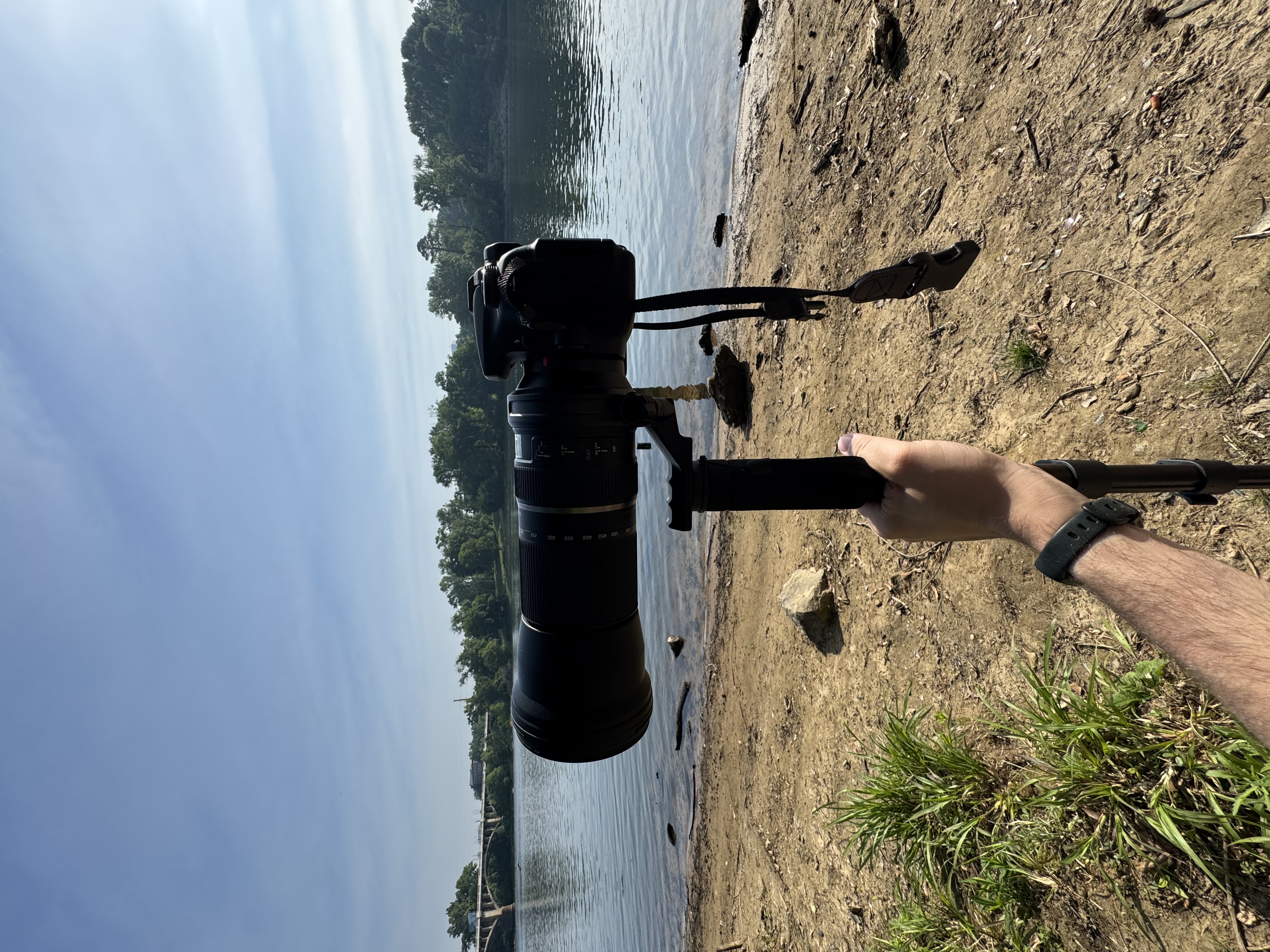
- Tamron 150-600mm F/5-6.3 (generation I)
- Canon EF 75-300mm F/4-5.6 II
- Canon EF 50mm F/1.4
- Canon EF-S 10-18mm F/4.5-5.6 (not yet in hand)
I have many thoughts on this setup, after having played with them for a few weeks.
Canon 70D
The camera itself: I am very happy with it. It had less than 10K shutters at the time of purchase and was in excellent condition. I found the menus easy to use and the controls intuitive. Besides the fact that I am not able to get the camera to update its firmware from 1.1.1 (and the fact that it’s a bit heavy, though I don’t find this mattering when it comes to birding), I am very happy with the camera itself.
Canon EF 75-300mm F/4-5.6 II
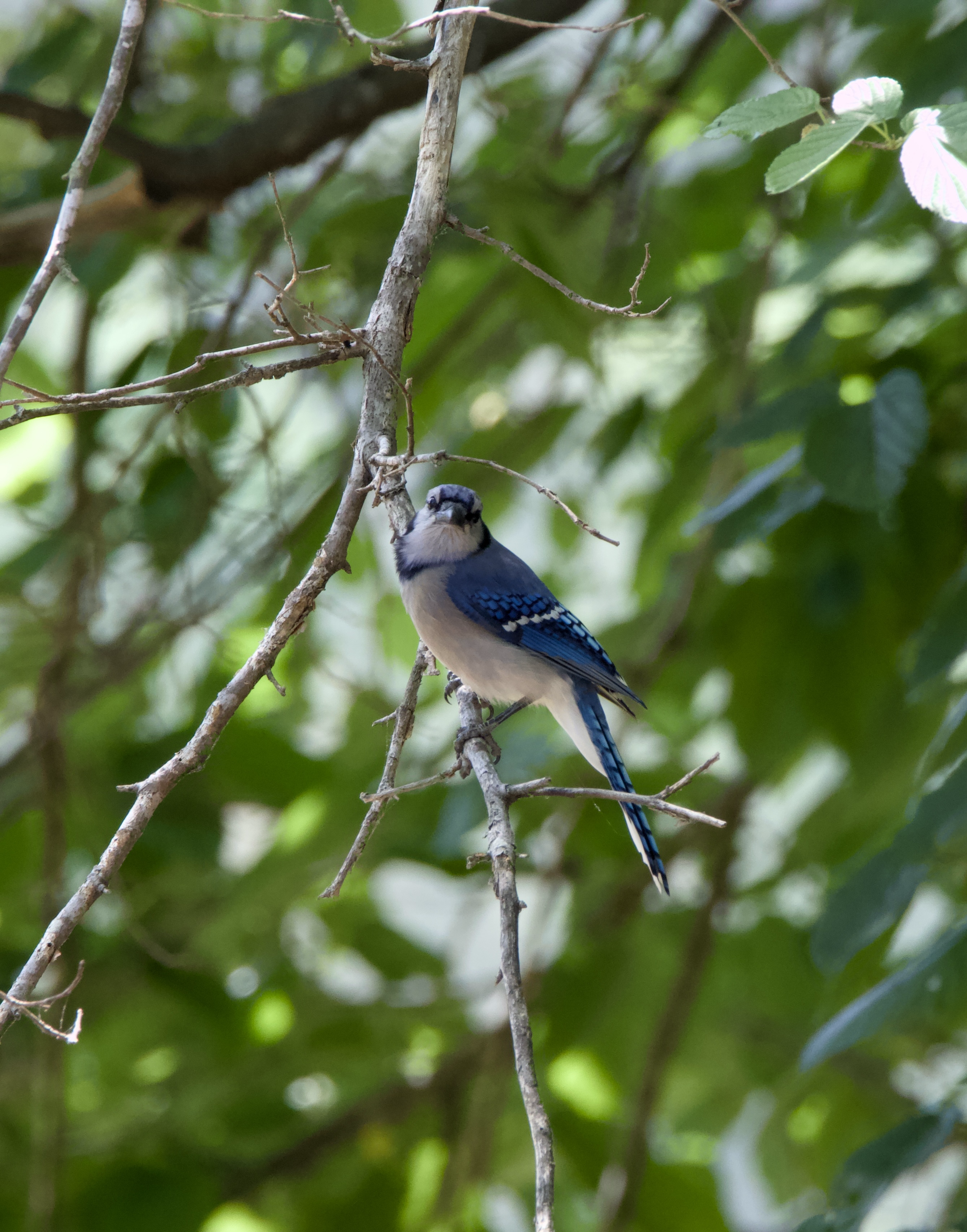
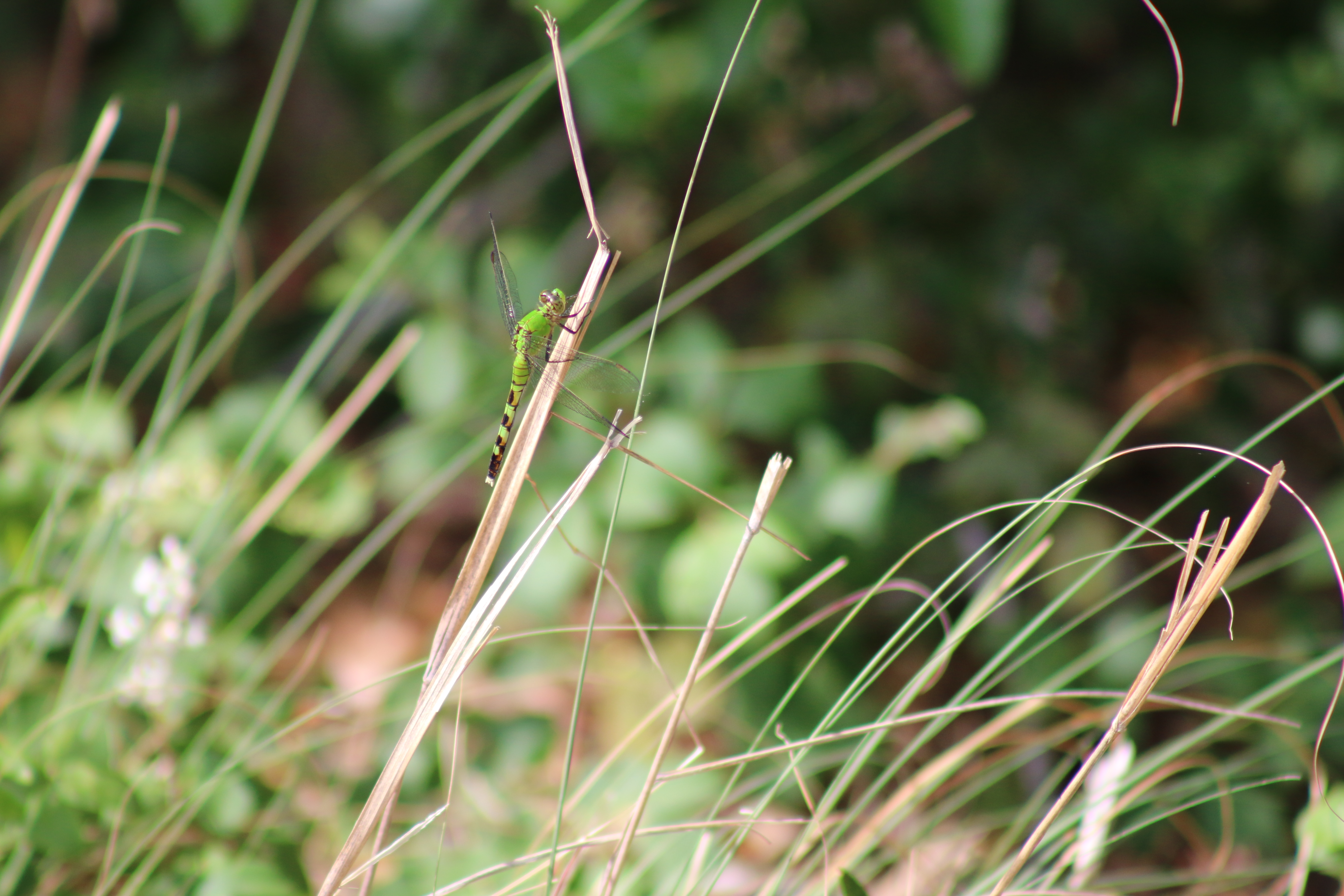
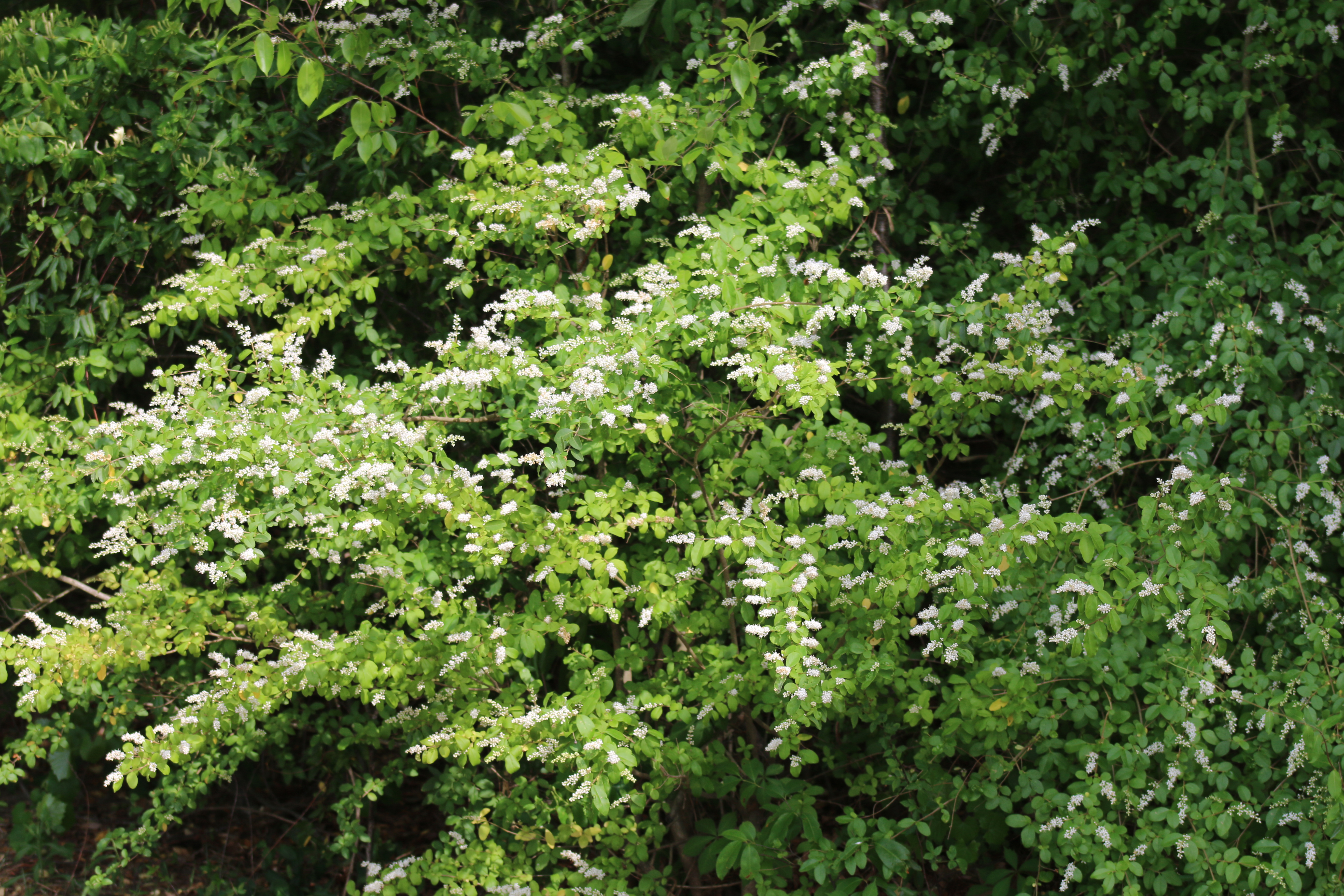
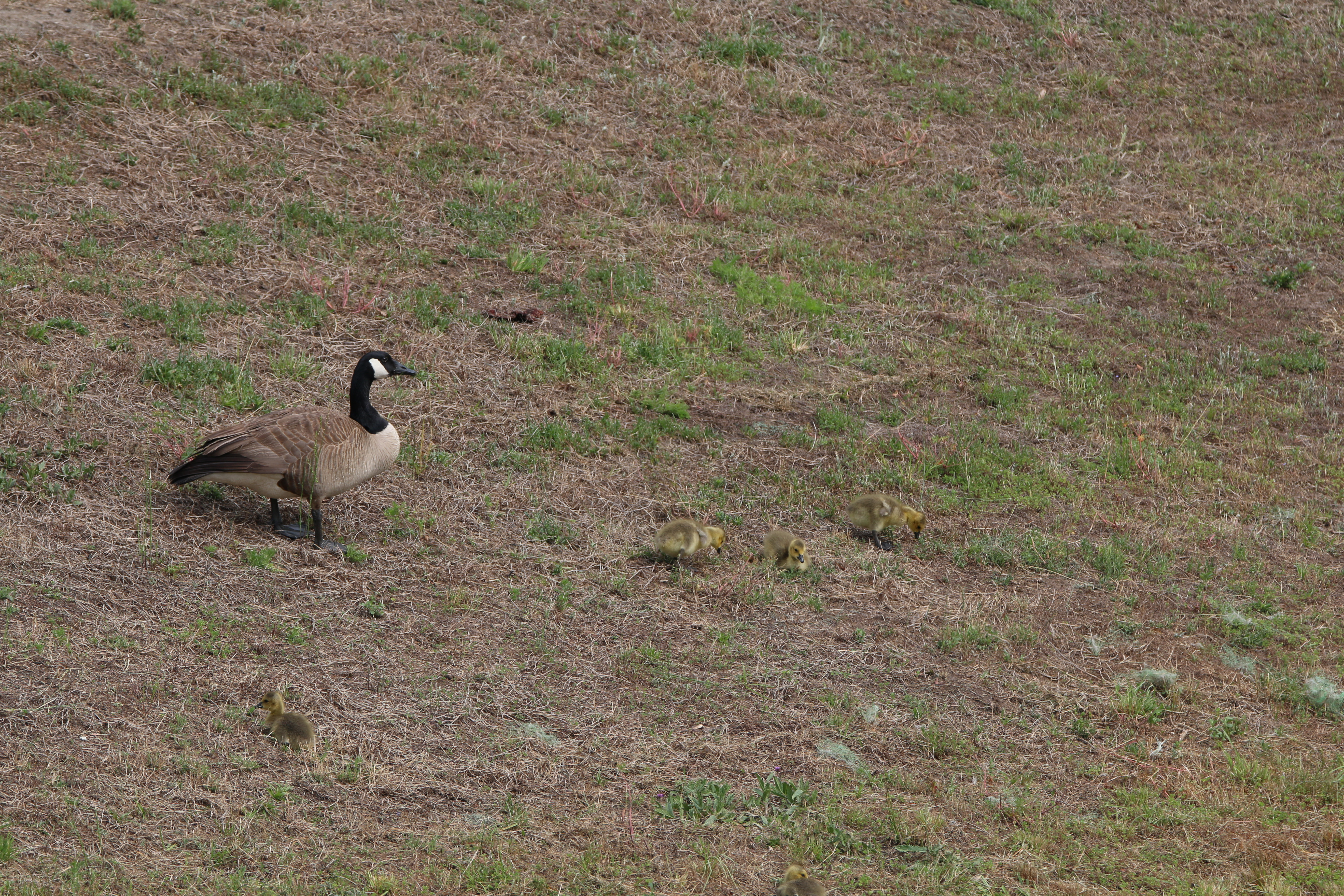
This was originally the first lens I bought. I knew it was a kit lens, but I had decent hopes for it after the Nikkor one performed very well. I was mistaken. Now, it’s not “bad”, but I am not happy with the chromatic aberration coming from it and the softness of the images it produces after 200mm. Now, I do recognise that there is some skill that can be put in here to get better images. I can make them better. But, I just find myself much more underwhelmed given how effortlessly the Nikkor performed. So far, it is the only true disappointment I have at the moment.
Tamron 150-600mm F/5-6.3
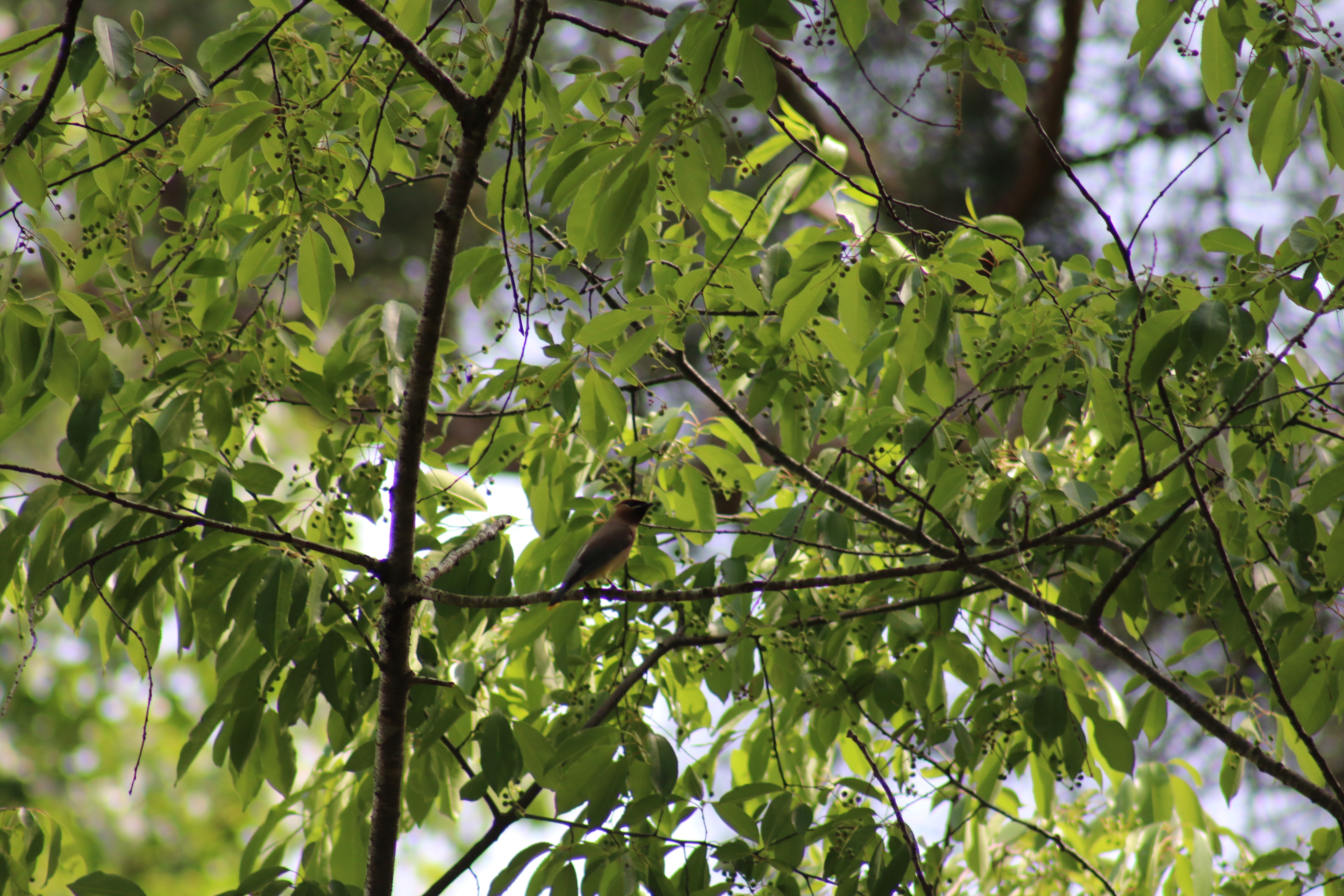
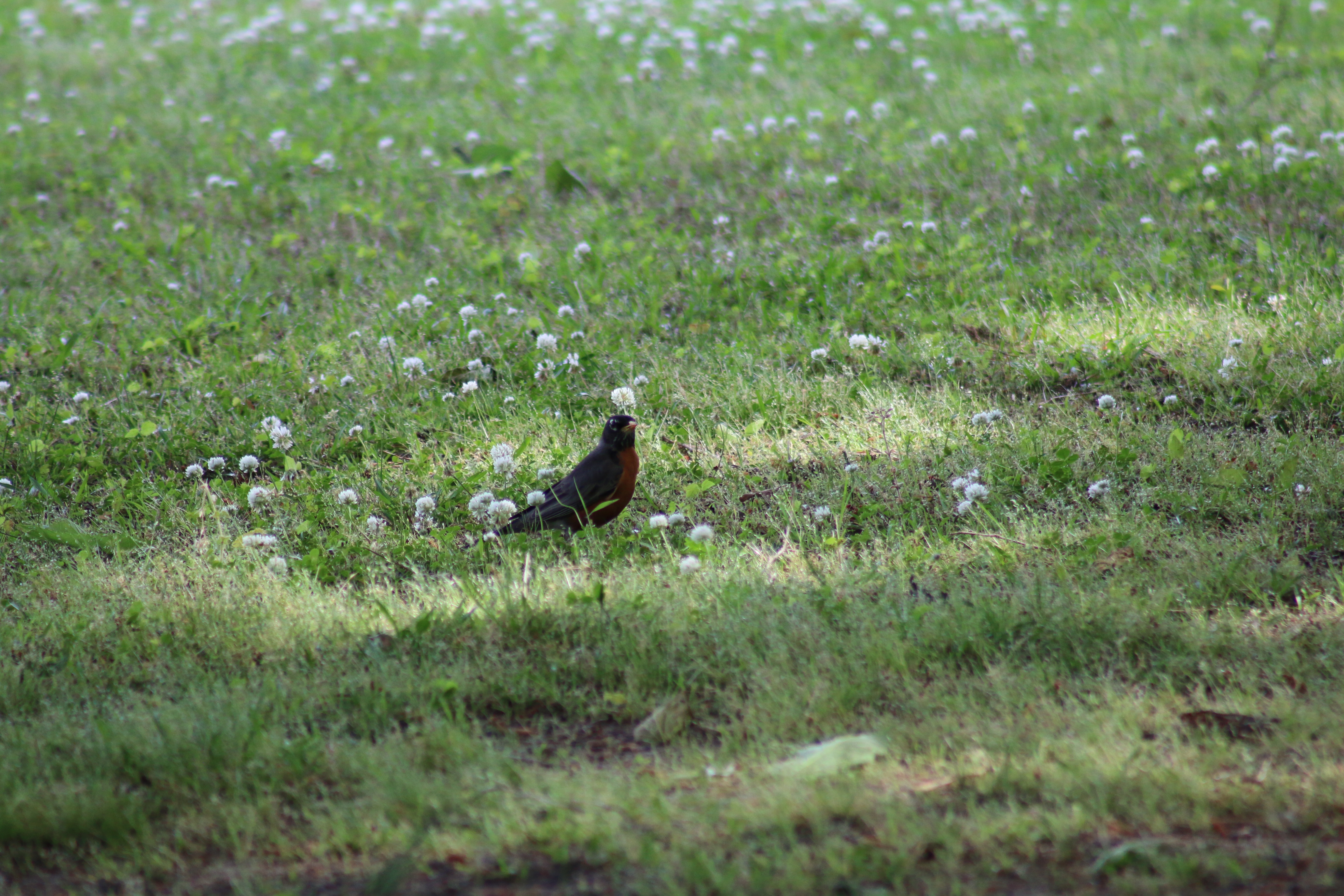
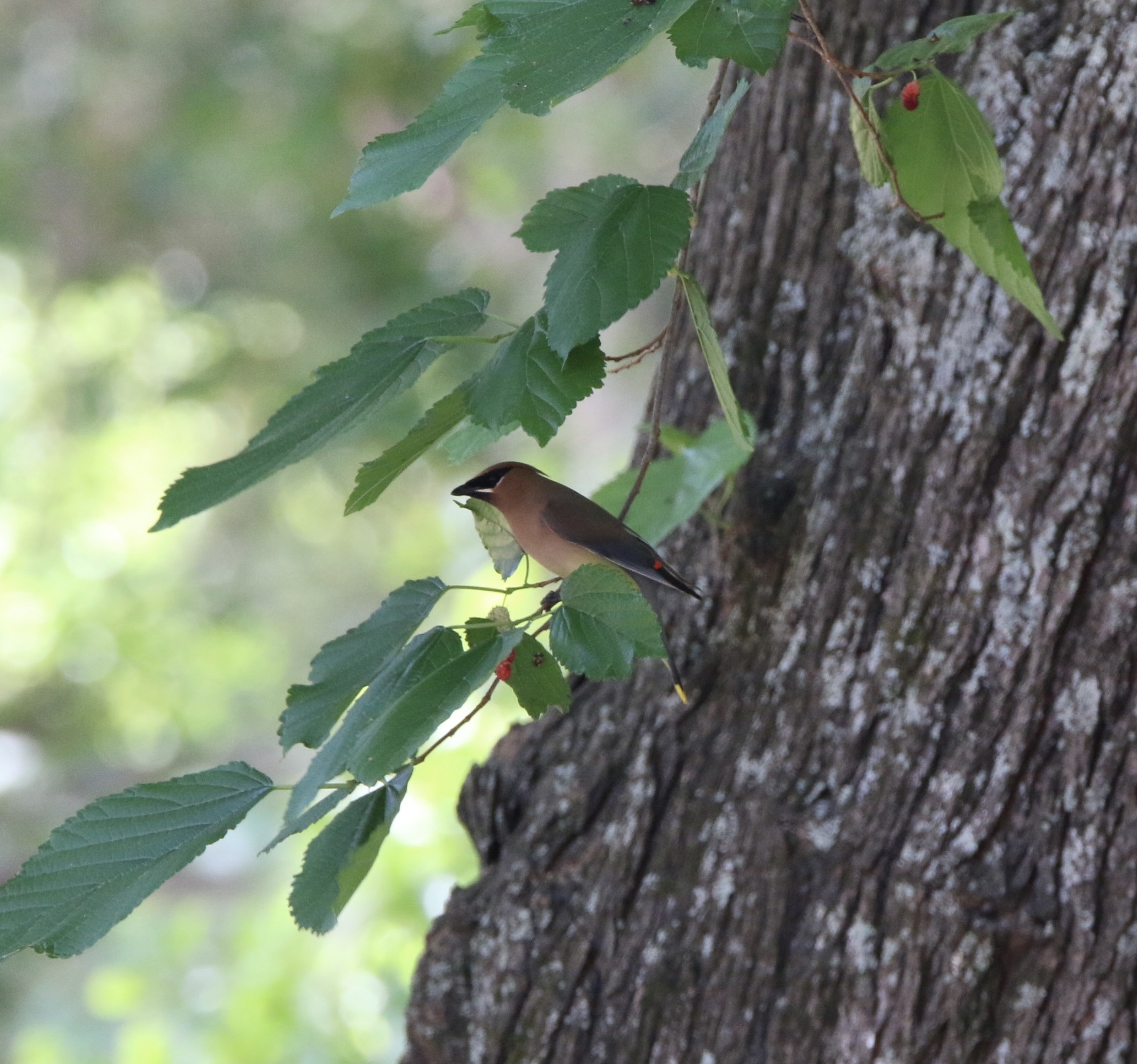
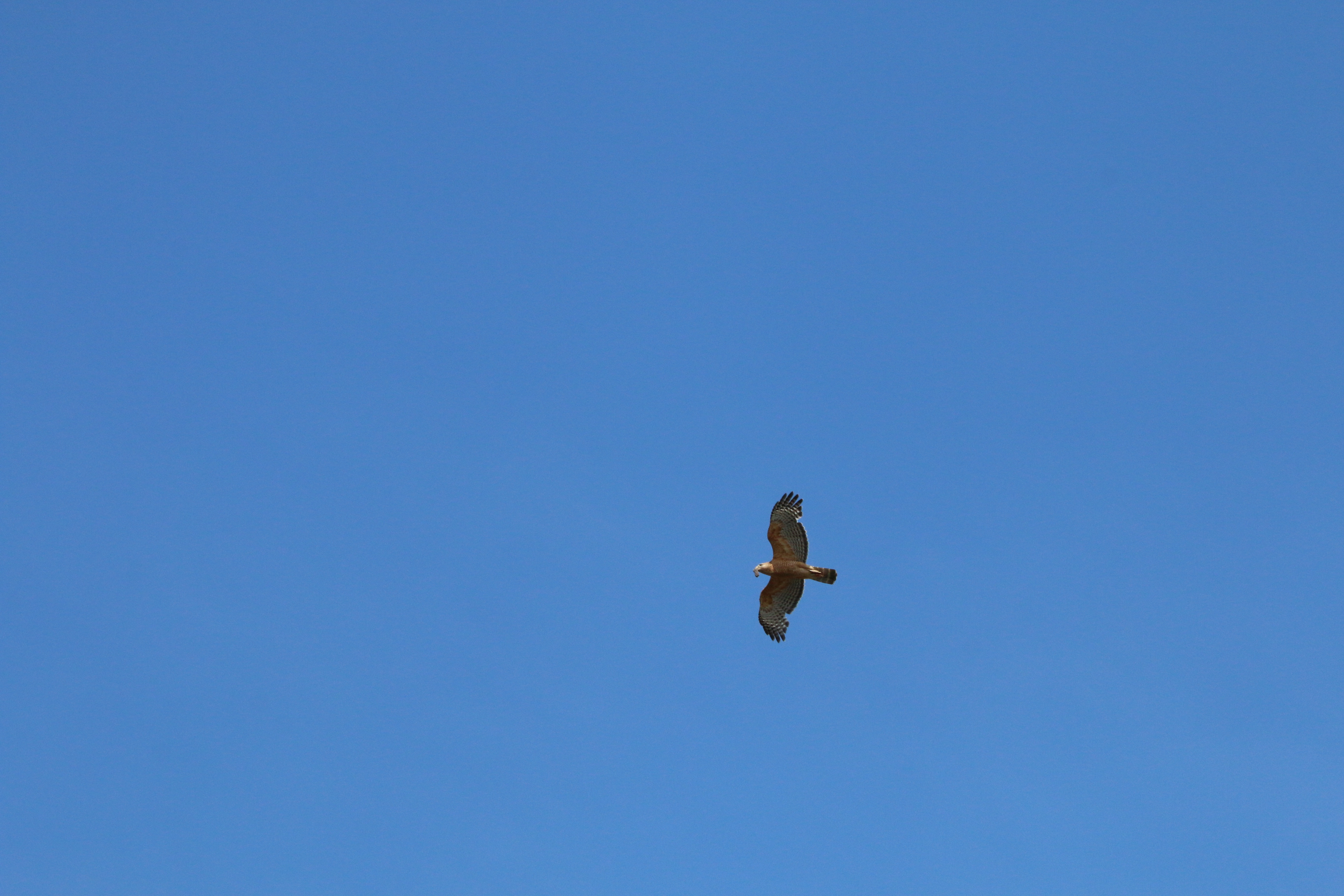
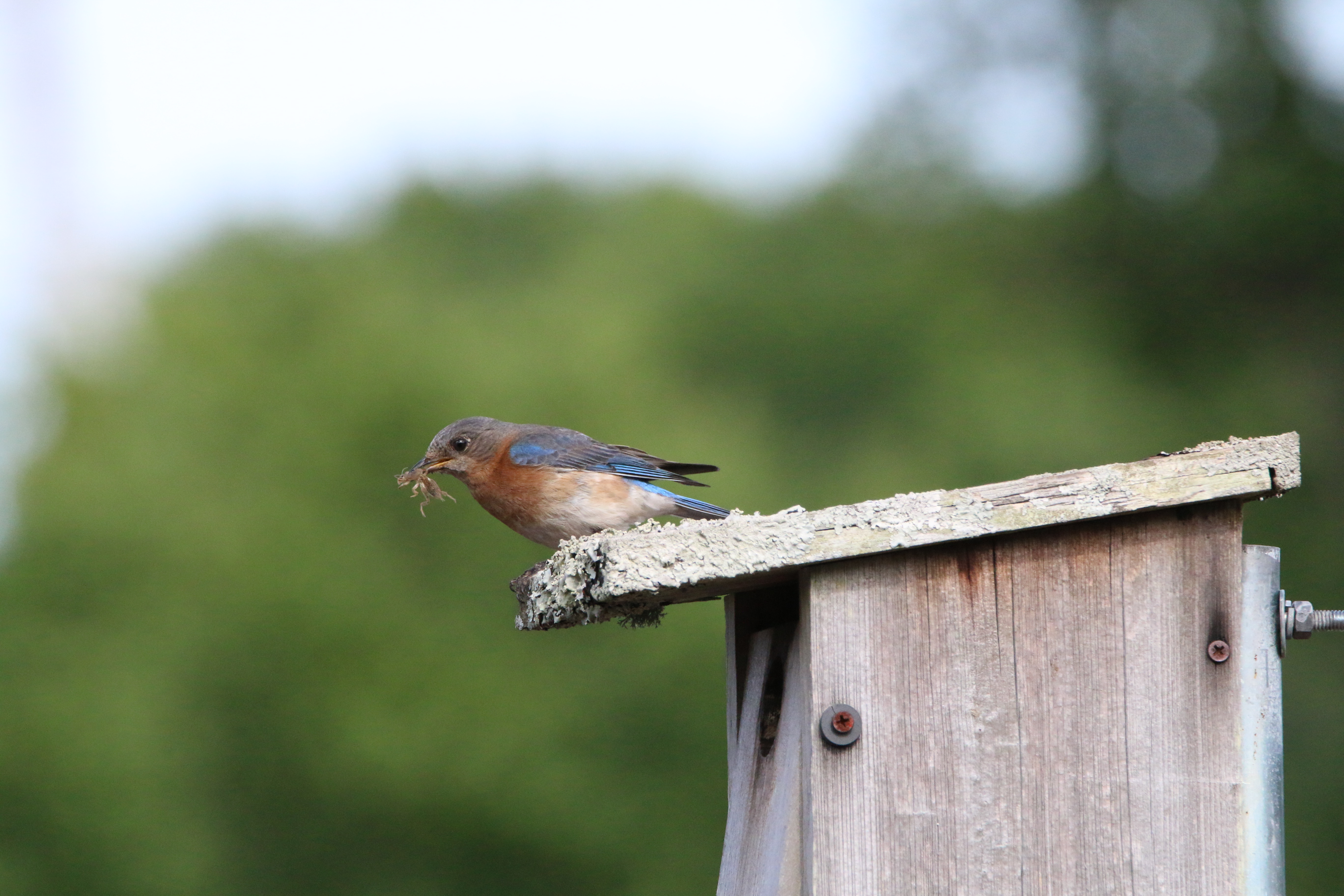
After I was disappointed by the first Canon lens, I considered if I wanted to drop a few hundred dollars on a “proper” lens. The issue was, based on the research I did, a very solid telephoto lens that went into the 400-600mm territory was going to run me $2000. I absolutely did not want to do that yet. I saw some reviews on this first-gen Tamron, and the consensus I saw was that it’s solid for the price, but it requires a bit of work to get really good shots out of it (like a monopod and tripod). I ended up taking a gamble on a basically new one for $700. Having used it for a few weeks, I will say: I’m not disappointed. The consensus was pretty accurate, but I am finding that you can get some fantastic images from it with a little work.
Canon EF 50mm F/1.4
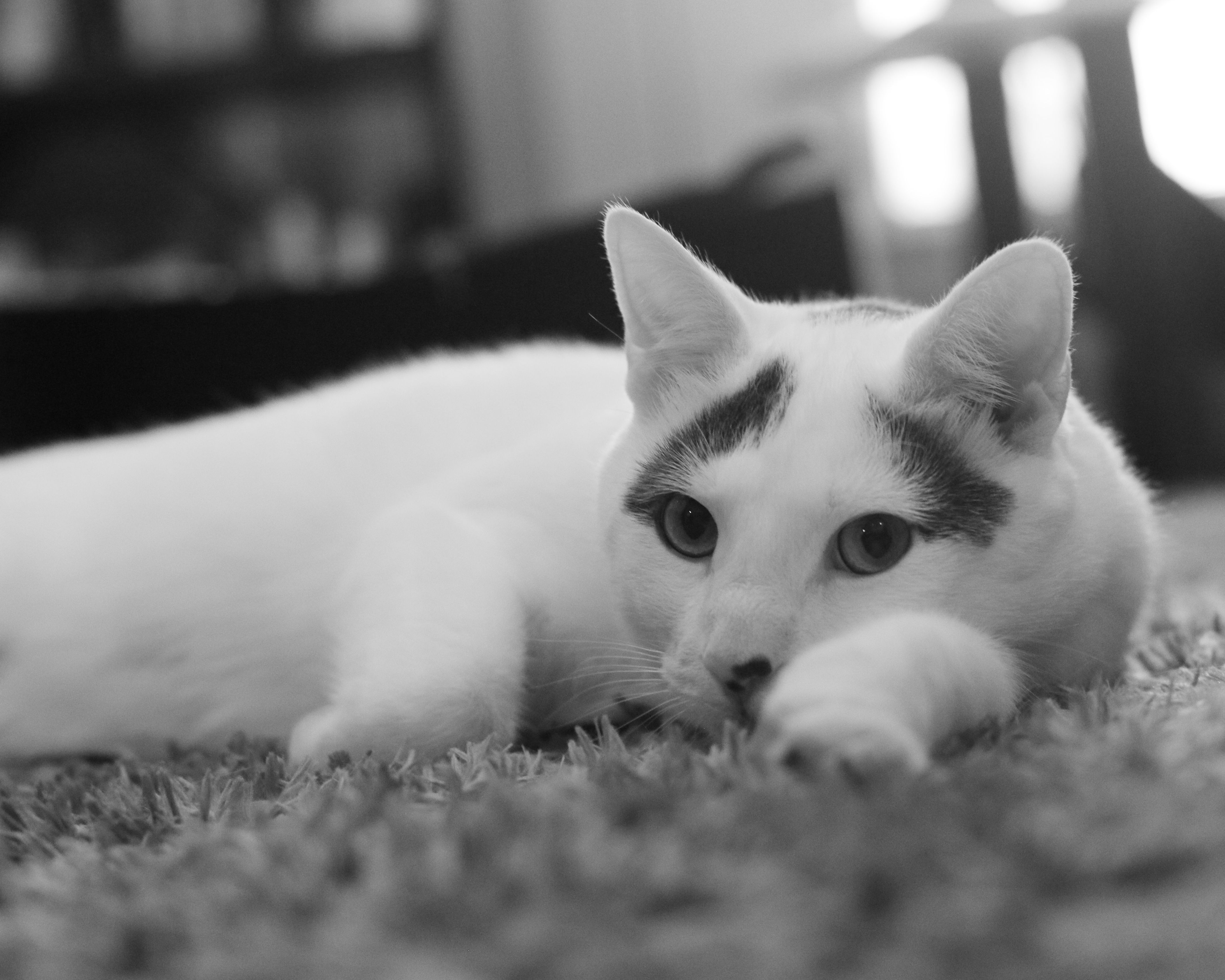
I decided to pick up a “nifty fifty” after I saw all of the YouTube videos praising it. I will say that I have not gotten full use out of it yet, but. I am very intrigued to say the least. I am getting very sharp photos out of it with a nice portrait effect. I am very excited to experiment with it in a non-birding context.
Conclusion
All in all, I’m pretty happy with where I’m at. There is a lot more potential to still extract from this setup and much more room for me to grow. I also think that this Canon 70D has plenty of life left in it. I’m ready to put it to the test.